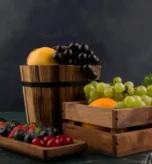
Exporting fresh fruits and vegetables is one of the most demanding segments of global trade. Unlike durable goods, fresh produce is highly perishable, quality-sensitive, and regulation-driven. Even a small lapse in handling, timing, or documentation can lead to losses, rejection, or damaged buyer relationships.
Yet, reliable exporters—especially those operating from global trade hubs like Dubai, United Arab Emirates—consistently overcome these challenges through strong sourcing models, logistics expertise, and strict quality control.
This article explores the key challenges in fresh produce export and explains how professional suppliers successfully manage them.
1. Short Shelf Life & Perishability
The Challenge
Fresh fruits and vegetables continue to respire after harvest. Delays, improper temperatures, or rough handling can cause:
- Rapid deterioration
- Loss of firmness and color
- Reduced shelf life at destination
This is one of the biggest risks in long-distance exports.
How Reliable Suppliers Overcome It
- Harvesting at the correct maturity stage
- Immediate pre-cooling after harvest
- Maintaining uninterrupted cold chain logistics
- Matching product type with suitable transit time and mode
This ensures produce reaches buyers fresh, firm, and market-ready.
2. Quality Inconsistency in Bulk Shipments
The Challenge
Bulk buyers expect uniform size, appearance, and quality. Inconsistent sourcing often leads to:
- Mixed grades in the same shipment
- Buyer complaints and price disputes
- Reduced trust for repeat orders
How Reliable Suppliers Overcome It
- Farm-to-market sourcing with pre-agreed specifications
- Batch-wise grading and sorting
- Standardized packing methods for each product
Consistency builds buyer confidence and supports long-term contracts.
3. Post-Harvest Handling & Transit Damage
The Challenge
Multiple handling points increase the risk of:
- Bruising and compression damage
- Dehydration
- Microbial spoilage
Traditional market-based sourcing amplifies these risks.
How Reliable Suppliers Overcome It
- Minimizing handling steps from farm to container
- Using export-grade cartons, crates, or mesh bags
- Optimized palletization and container loading
Reduced handling equals lower wastage and better landed quality.
4. Cold Chain Breakdowns
The Challenge
Temperature fluctuations during storage or transit can:
- Accelerate spoilage
- Reduce shelf life drastically
- Cause rejection at destination
Cold chain failure is often invisible until arrival.
How Reliable Suppliers Overcome It
- Temperature-controlled storage facilities
- Continuous monitoring during transport
- Using appropriate ventilation and humidity control
Professional exporters treat cold chain as non-negotiable, not optional.
5. Regulatory & Phytosanitary Compliance
The Challenge
Each importing country has its own:
- Phytosanitary rules
- Food safety regulations
- Labeling and documentation requirements
Errors can result in delays, penalties, or shipment rejection.
How Reliable Suppliers Overcome It
- Pre-shipment inspections and documentation checks
- Compliance with international food safety standards
- Accurate labeling and traceability
This ensures smoother customs clearance and reduced risk.
6. Logistics Delays & Transit Uncertainty
The Challenge
Fresh produce exports depend heavily on:
- Vessel schedules
- Port congestion
- Road transport coordination
Any delay impacts shelf life and buyer satisfaction.
How Reliable Suppliers Overcome It
- Strategic use of 40-foot FCL containers
- Route planning based on product shelf life
- Strong coordination with shipping and logistics partners
Efficient logistics protect both quality and commercial value.
7. Price Volatility & Supply Instability
The Challenge
Fresh produce markets are affected by:
- Seasonal fluctuations
- Weather conditions
- Sudden demand spikes
Unreliable supply leads to broken commitments.
How Reliable Suppliers Overcome It
- Long-term partnerships with farms
- Advance harvest planning
- Diversified sourcing regions
This allows exporters to deliver stable volumes at competitive pricing.
8. Limited Traceability & Buyer Trust Issues
The Challenge
Modern buyers want transparency:
- Origin of produce
- Harvest date
- Handling practices
Lack of traceability reduces buyer confidence.
How Reliable Suppliers Overcome It
- Farm-level traceability systems
- Batch identification and records
- Transparent communication with buyers
Traceability strengthens trust and long-term relationships.
Key Takeaway: What Sets Reliable Exporters Apart
| Challenge | Reliable Exporter Solution |
|---|---|
| Perishability | Cold chain & harvest planning |
| Quality variation | Farm sourcing & grading |
| Handling damage | Export-grade packaging |
| Compliance risks | Pre-shipment checks |
| Logistics delays | Optimized transport |
| Buyer trust | Full traceability |
Conclusion
Fresh produce export is complex—but not unpredictable. The challenges of perishability, quality control, logistics, and compliance can be successfully managed when exporters follow structured sourcing, strict quality control, and professional logistics practices.
Reliable suppliers don’t just ship fruits and vegetables—they deliver consistency, compliance, and confidence to global buyers.
For wholesalers, distributors, and food processors, choosing the right exporter is the difference between risk and reliability.